
Incidence and graft outcomes of BK virus infection in pediatric kidney allograft recipients: a systematic review and meta-analysis
Authors
Affiliations
Abstract
Background
Advances in immunosuppressive therapy have reduced rates of acute rejection but have concurrently increased the risk of viral reactivation, including BKV. BK virus (BKV) infection is a major complication following kidney transplantation and a significant cause of graft failure. Data on BKV infection in pediatric kidney transplant recipients remain limited, derived largely from small, single-center retrospective studies. We therefore aimed to generate pooled estimates of the incidence of BKV infection and its associated outcomes in this population.
Methods
We systematically searched PubMed, Embase, and Web of Science from inception to August 2026 for studies reporting the incidence and outcomes of BKV infection in pediatric kidney allograft recipients (age <18 years). The primary outcomes were the incidence of BKV-associated nephropathy (BKVAN) and BK viremia. Secondary outcomes included BK viruria, recovery from BKVAN and BK viremia, and graft failure. A random-effects meta-analysis was performed to derive pooled estimates for all primary and secondary outcomes.
Results
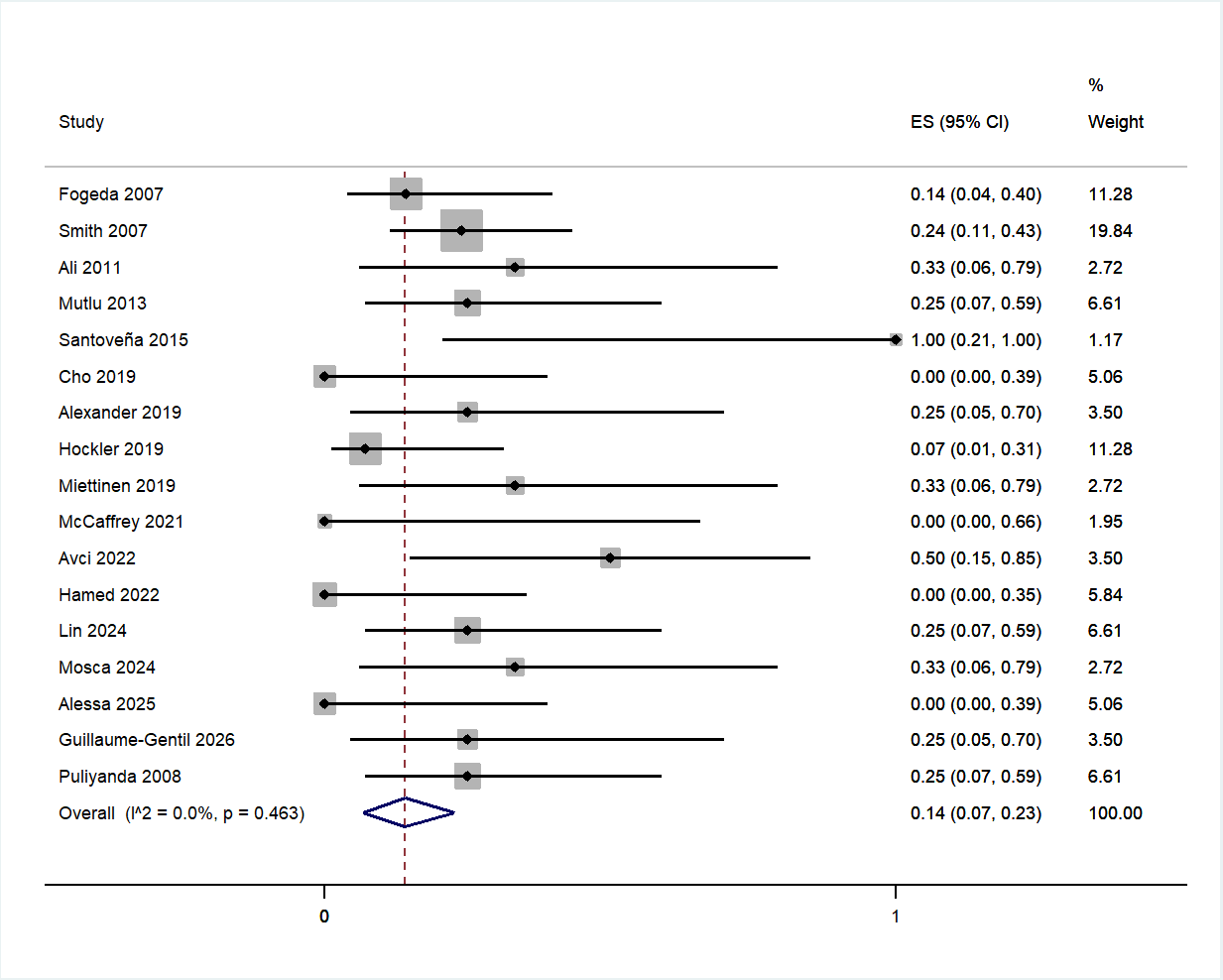
Our search identified 2,505 records, of which 1,420 remained after duplicate removal. Following screening, 42 studies comprising 4511 patients met the eligibility criteria; most were single-center retrospective cohorts (84%), predominantly from the United States (21%) and Turkey (12%). The pooled incidence of BKVAN was 4% (95% CI: 3–6%; 34 studies)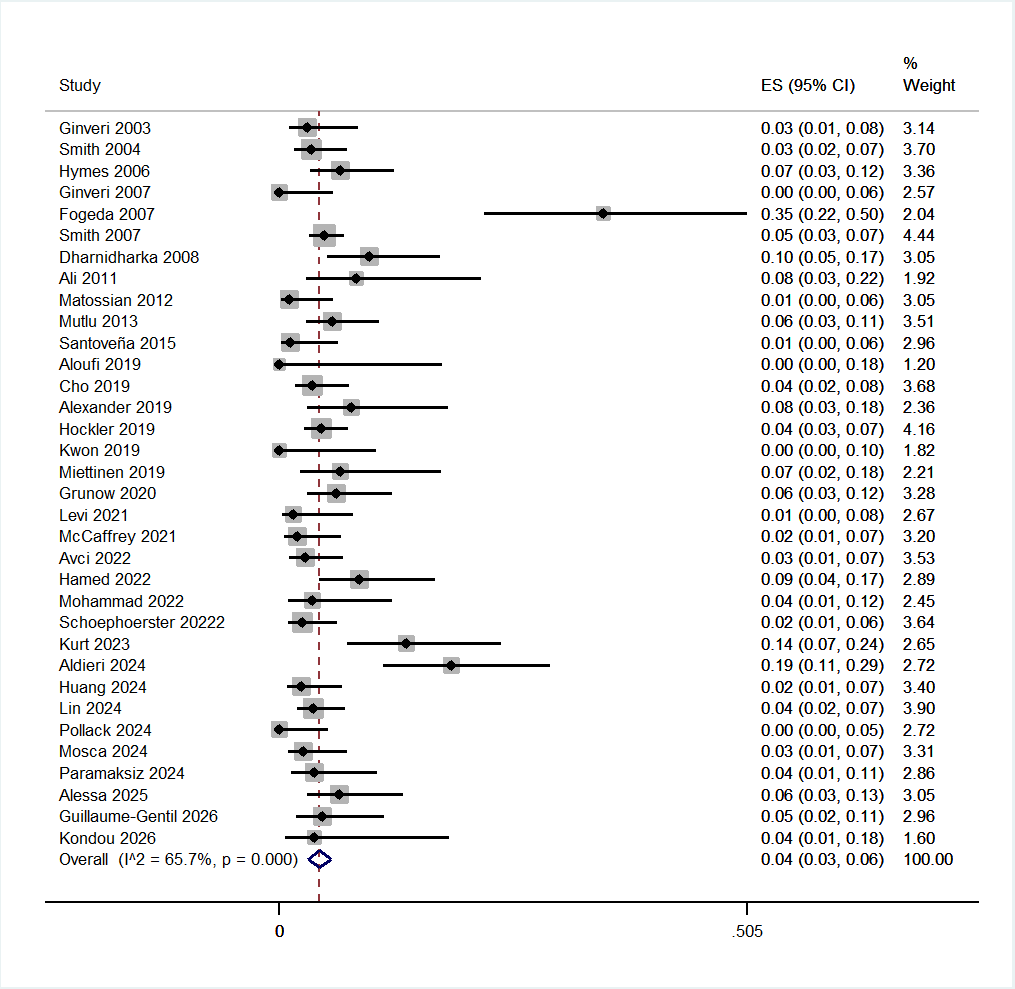
Conclusion
BKV infection remains common among pediatric kidney transplant recipients, with substantial rates of viremia and viruria and a clinically meaningful risk of BKVAN and subsequent graft failure. Although most patients recover with timely intervention, the considerable heterogeneity in reported incidence largely driven by single-center retrospective data underscores the need for standardized, prospective, multicenter studies to guide surveillance strategies and optimize management protocols in this vulnerable population.