
Outcomes of ABO Blood Group Incompatible Kidney Transplantation in Children: A Systematic Review
Authors
Affiliations
Abstract
Introduction: ABO-incompatible (ABOi) kidney transplantation has emerged as a strategy to expand living donor opportunities for children with kidney failure. However, concerns regarding rejection, infection, and long-term graft outcome persist. We performed a systematic review to evaluate the outcomes of ABOi kidney transplantation in pediatric recipients.
Methods: We searched PubMed, Embase, and Web of Science from inception to April 2026 for studies reporting the outcomes of ABOi kidney transplantation in children. The primary outcomes were patient and graft survivals. Secondary outcomes included acute rejection, infectious complications, and graft function (measured by estimated glomerular filtration rate). A random-effects meta-analysis was performed to compare ABOi and ABO-compatible (ABOc) transplantation and estimate the pooled outcomes among ABOi recipients.
Results: Thirteen studies involving 433 pediatric ABOi kidney transplant recipients were included, of which seven reported comparative data on ABOc transplantation. Graft survival (RR 1.00, 95% CI 0.90–1.11) and patient survival (RR 0.99, 95% CI 0.88–1.13) at the last follow-up were comparable between ABOi and ABOc transplantation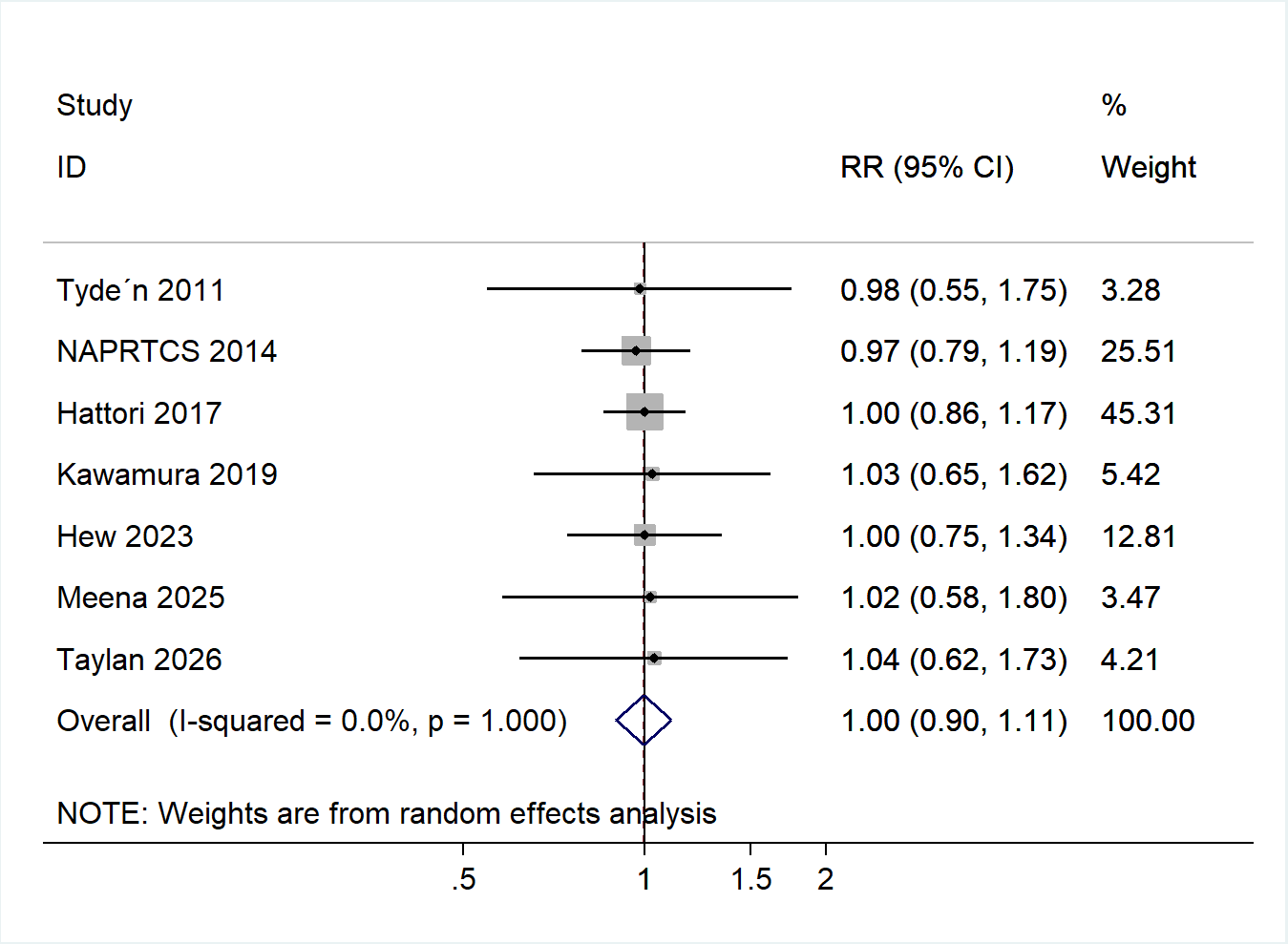
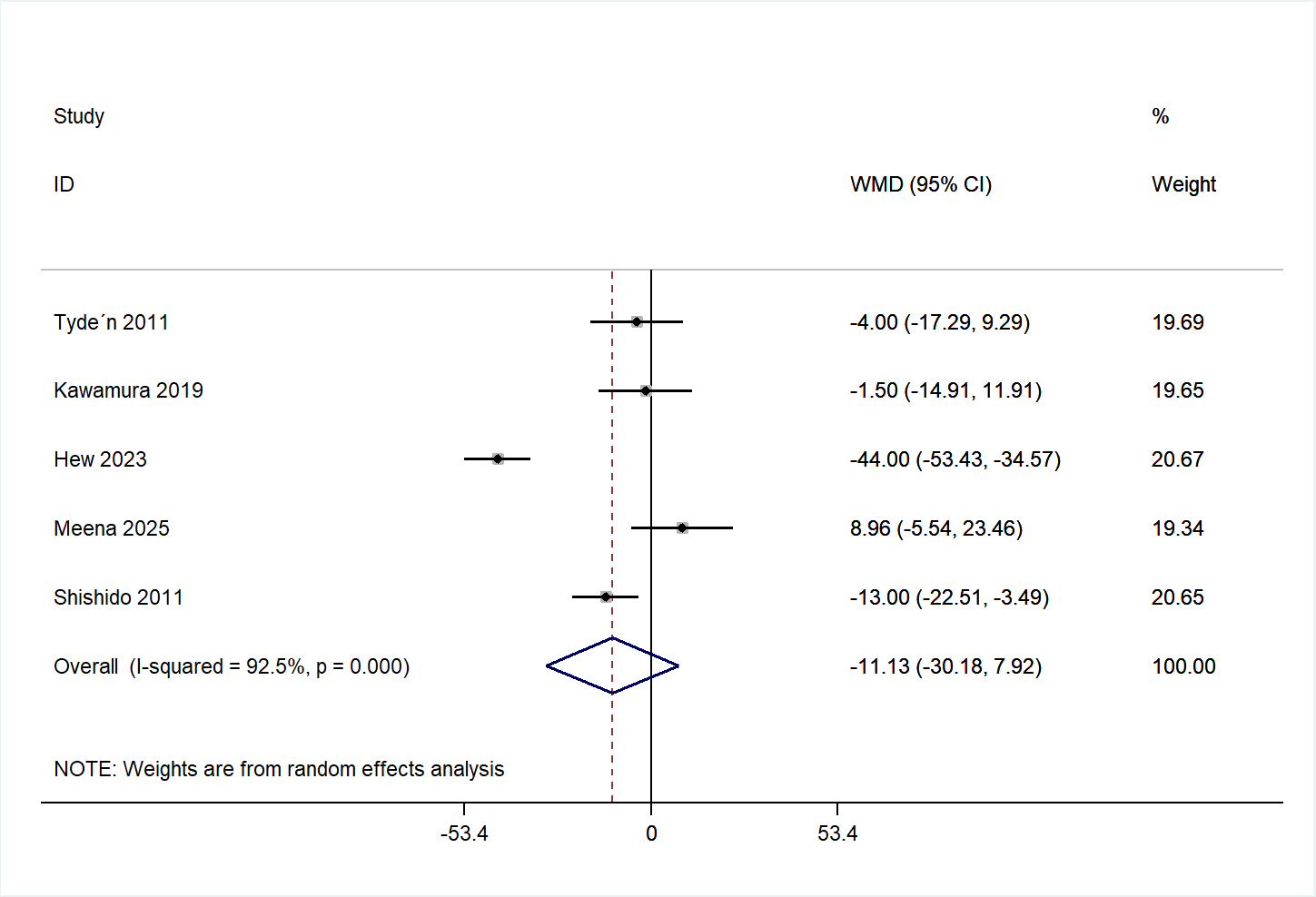
Conclusions: ABOi kidney transplantation in children provides comparable graft and patient survival to that of ABOc-transplantation and has satisfactory medium- and long-term outcomes. ABOi transplantation may represent a valuable strategy for expanding the donor pool and improving access to timely kidney transplantation in children with kidney failure.