Developing a Pediatric Heart Transplant “Survivorship” Clinic: A single center approach to multidisciplinary long-term follow up care
Authors
Affiliations
Abstract
Introduction: As long-term survival after pediatric heart transplantation (HT) continues to increase, multidisciplinary and patient-centered care is critical to minimize morbidity and improve quality of life in a holistic manner for patients and their families. Drawing on the multidisciplinary care model established in pediatric cancer survivorship programs, we developed a comprehensive long-term follow-up clinic for pediatric HT recipients. The clinic aims to facilitate early identification, prevention, and management of HT-related complications while supporting patients' physical, psychosocial, and developmental needs.
Methods: After evaluating potential short- and long-term complications associated with requiring a HT as a child, a multidisciplinary team of pediatric providers was formed to build a survivorship-style clinic for pediatric HT recipients. Team members included the primary pediatric HT team of cardiologists, nurse practitioner and transplant coordinator, as well as Social Work, Pharmacy, Nutrition, Psychology, and Nephrology. Monthly meetings were held to determine the clinical needs, organization, clinic flow, resources and leadership. An institutional clinical protocol was developed to inform outcomes measures, surveillance testing, and patient education needs. Multidisciplinary care is provided in a round-robin style by all specialties on the same clinic day, with pre-clinic review and quarterly patient follow up discussion.
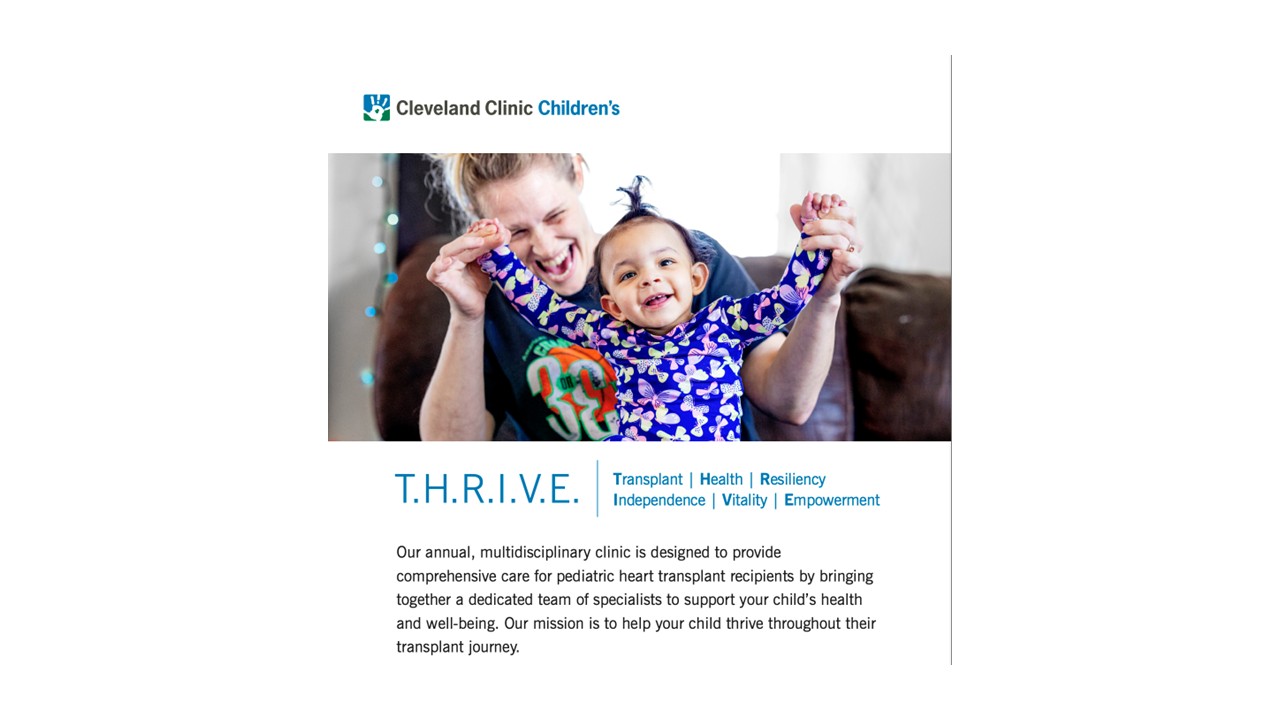
Results: Up to five patients are seen monthly in the THRIVE (Transplant; Heart; Resiliency; Independence; Vitality; Empowerment) clinic (Figure 1) since its launch in March 2025, with an initial visit at one-year post-HT and then annual visits thereafter. Surveillance testing includes electrocardiogram, echocardiogram and standard post-HT monitoring labs as well as viral screening and markers of kidney function and metabolic health. Mental health screening is performed as indicated and referral made universally to the Cardiac Neurodevelopmental Support Program for global assessment of quality of life. Vaccine records are reviewed and vaccinations updated as needed. Kidney health is evaluated and long-term renal protection strategies discussed. Finally, there is a strong focus on patient education and transition readiness, to support eventual transfer to adult post-transplant care.
Conclusion: As short- and long-term outcomes continue to improve for children requiring HT, the focus of care must shift to minimizing morbidity and supporting patients from both a mental and physical wellness standpoint. The THRIVE clinic represents our institution’s approach to optimizing multidisciplinary follow up for our patients in a cohesive and patient-friendly format. Patient feedback and outcomes data will inform further iterations of the clinic.